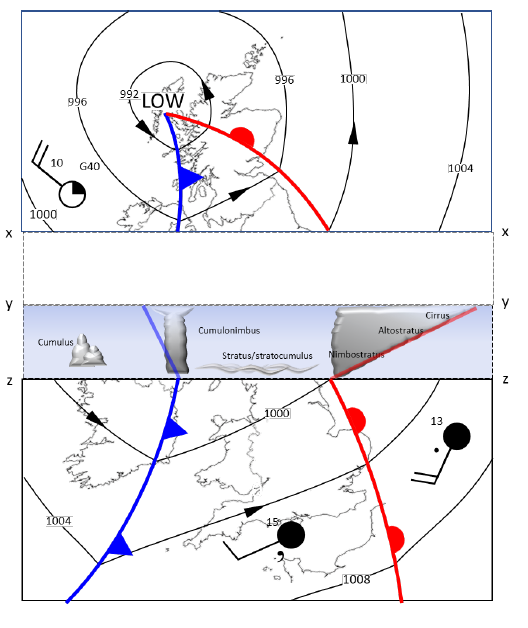
Home » Teaching Resources » Pop-up Depression Pop-up Depression Facebook Twitter Pinterest Print Print, cut-out and fold along the lines to make a 3D model of a depression. Depressions, Anticyclones and Fronts Start exploring Search Resources All Levels Primary Secondary Geography Secondary Maths Secondary Science Choose a topic All Topics Air Masses Anticyclones Carbon Cycle Climate Climate Change Climate Zones Clouds Contour Coriolis Depressions El Nino Extreme Weather Flooding Front Global Atmospheric Circulation Hydrological Cycle Microclimates Past Climate Snow Synoptic Charts Tropical Cyclones Urban Heat Island Water Cycle Weather Weather Forecast Weather Map Weather System All Climate Change 1.5 degree target Adaptation Afforestation Agriculture air quality aircraft Albedo Anthropocene anthropogenic Arctic/ Antarctic attribution Biodiversity Biosphere Carbon cycle Carbon dioxide removal/ sequestration Carbon footprint Carbon sinks Causes Climate Climate Crisis/ Emergency Climate justice Climate literacy climate stripes/ visualisation Climate zone shift clouds CO2/ carbon dioxide emissions Communication COP Cryosphere Deforestation Desertification Disaster risk management Drought Ecosystems Electric vehicles Energy Equity Evidence Extreme weather Feedback loops Fire weather Flood defences Flooding/ flood risk Fossil fuels Fuel security Global energy budget/ balance Green climate fund Greenhouse effect Greenhouse gas concentrations Heatwaves/ extreme heat Hydroelectric power Ice sheets Impacts IPCC Keeling curve Mitigation Modelling Nationally Determined Contributions (NDCs) Natural variability Nature based solutions Negotiations Net zero Nuclear power Observations Ocean acidification Ocean warming Per capita emissions Proxy records Regional climate change Renewable/ non fossil fuel energy Scenarios Schools Strike for Climate Society Solar energy Solutions Storms Sustainable Development Goals (SDGs) Temperature/ global warming Tipping points Transport Tropical cyclones Uneven impacts UNFCCC/ governance Urban green infrastructure Urban heat Urbanisation Water cycle Water security Water vapour (H2O) concentrations Weather Wild fires Wind power Choose an age range All ages Primary 0 to 7 7 to 11 Secondary 11 to 14 14 to 16 16 to 18 Latest from blog Participate in the Climate Literacy Survey 2026 Practice SATs Questions with climate context Met Careers Insight for Geographers When will it snow? Related resources … Secondary Geography 10. Polar Climate In this lesson we investigate why polar climates are so extreme and how it can be too cold to snow in Antarctica. Secondary Geography IPCC 2021 – Changing Climate Zones Climate zones have shifted northwards in both hemispheres Secondary Geography Steart Marshes Evidence based activity looking at salt marsh development to protect land from rising sea levels. Primary, Secondary Geography Mountain Weather Every year people go and enjoy the wonders of the mountain scenery but for some the experience isn’t so pleasant as they venture onto
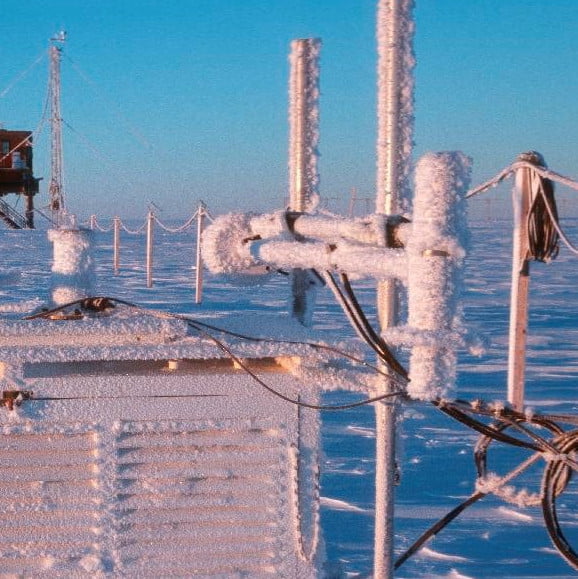
Secondary Geography 10. Polar Climate In this lesson we investigate why polar climates are so extreme and how it can be too cold to snow in Antarctica.
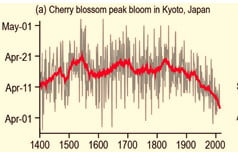
Secondary Geography IPCC 2021 – Changing Climate Zones Climate zones have shifted northwards in both hemispheres
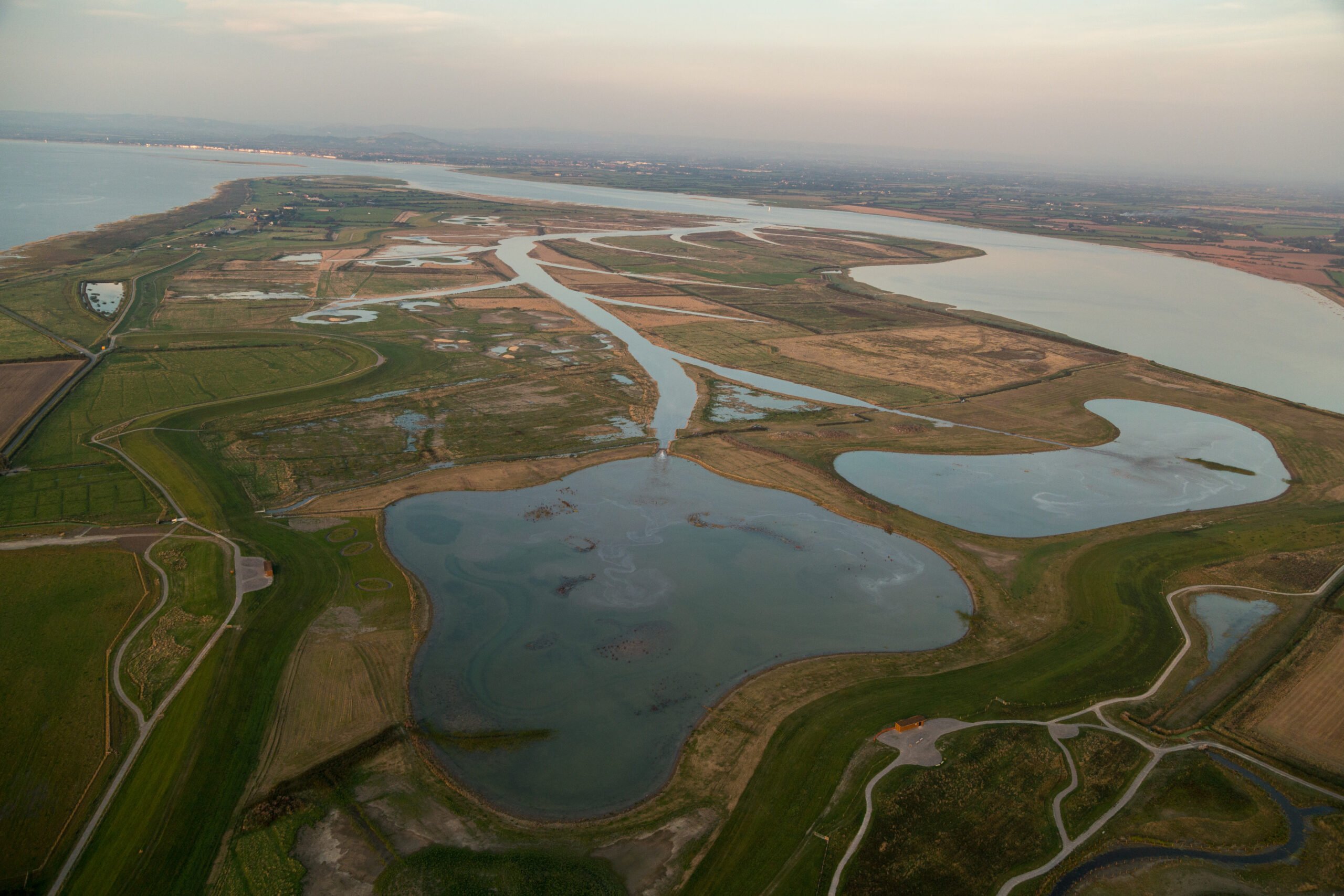
Secondary Geography Steart Marshes Evidence based activity looking at salt marsh development to protect land from rising sea levels.
Primary, Secondary Geography Mountain Weather Every year people go and enjoy the wonders of the mountain scenery but for some the experience isn’t so pleasant as they venture onto